
Trusted Lanternfly Removal for Beach Haven & Nearby Ocean County Towns
Since the spotted lanternfly (Lycorma delicatula) first reached Ocean County, its spread has threatened maples, fruit trees, and grapevines across neighborhoods in Beach Haven and surrounding towns. Bee-Gone has protected homes and businesses in this area for over a decade, delivering fast, targeted treatments that safeguard landscapes while respecting local ecosystems throughout Ocean County.
Will Lanternflies Disappear in Winter?
No. While adults die off, egg masses survive and hatch in spring if not cleared.
Why Lantern Flies Thrive in Beach Haven
-
Tree of Heaven Hotspots – This invasive host tree grows abundantly throughout Beach Haven and across Ocean County, creating ideal feeding and breeding grounds.
-
Mild Winters – Beach Haven’s relatively mild coastal climate allows egg masses to survive through February, supporting rapid population growth in the spring.
-
Plentiful Hosts – Maples, fruit trees, and grapevines in Beach Haven and throughout Ocean County provide easy food sources that fuel lanternfly infestations.
Spotted Lanternfly Life Cycle:
-
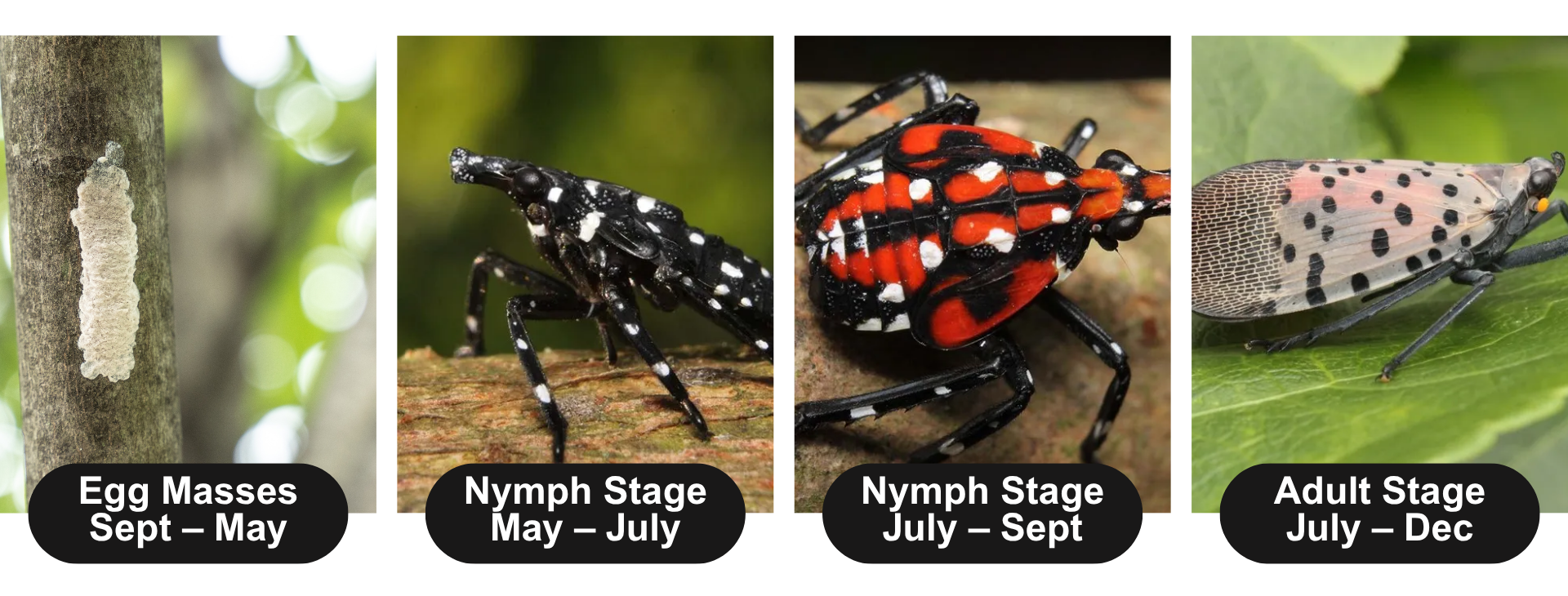
Egg Masses (Sept – May): Grayish, putty-like clusters found on trees, rocks, and outdoor furniture.
-
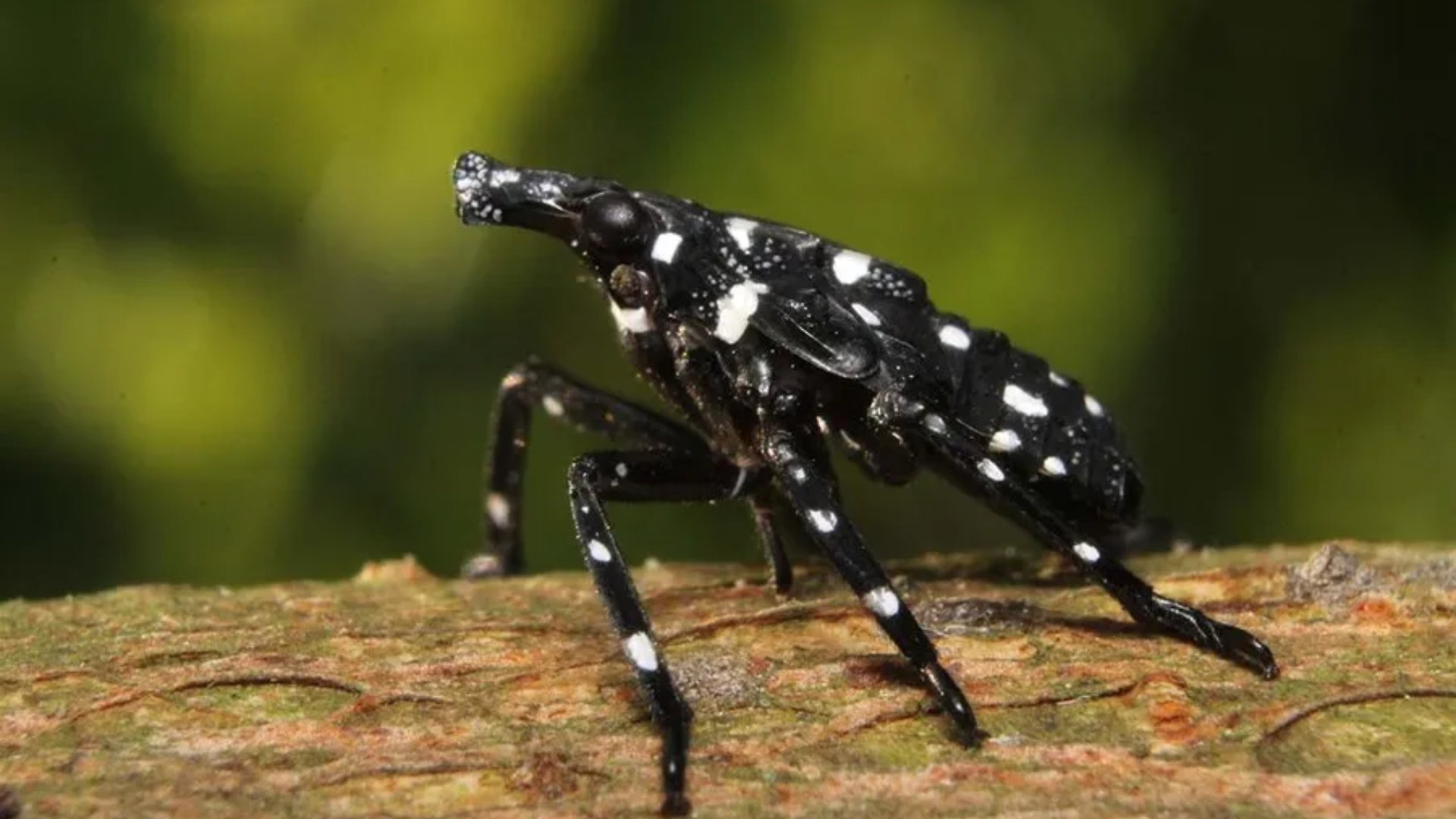
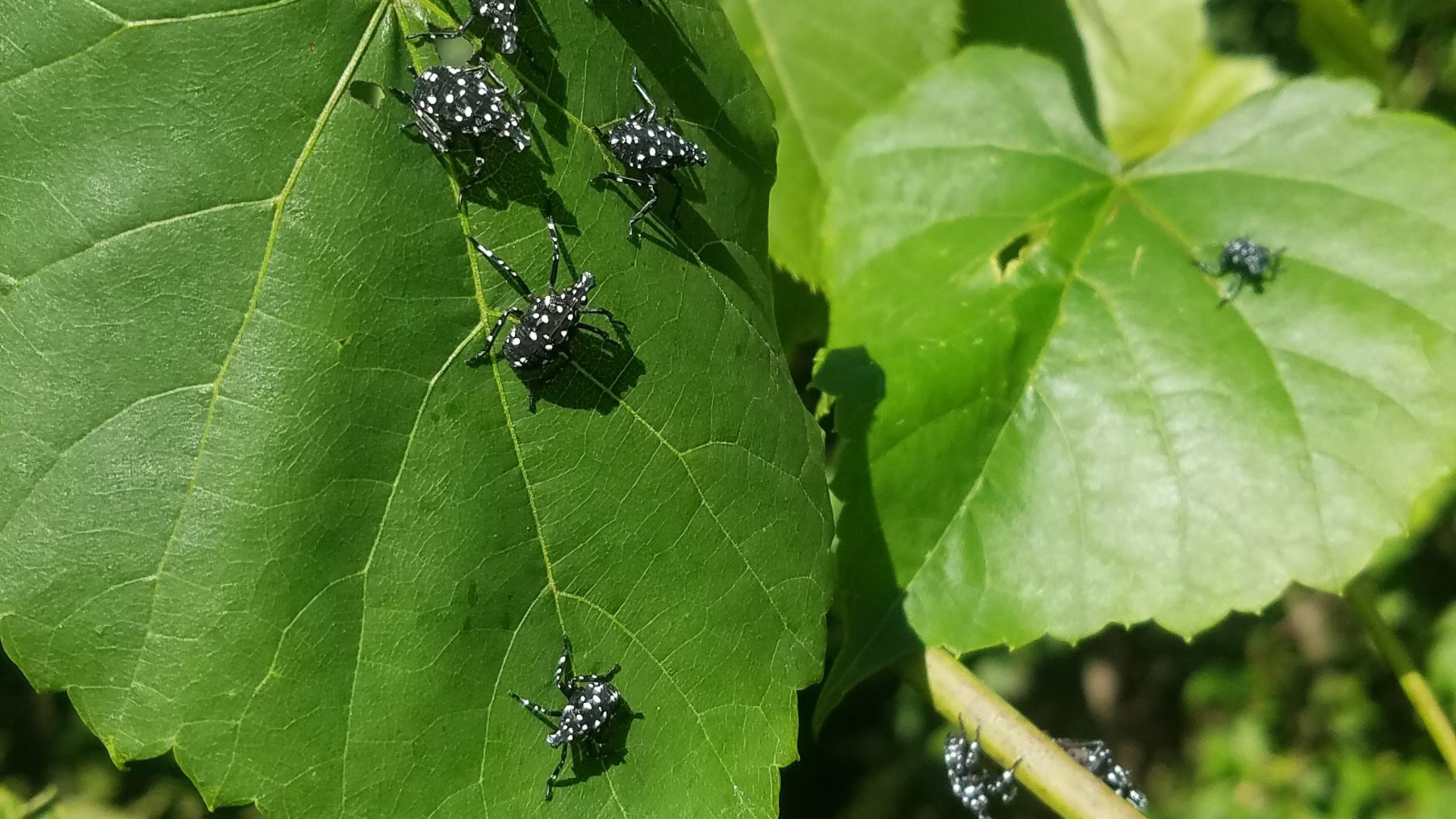
Nymph Stage – Black (May – July): Tiny black insects with white spots — fast and hard to catch.
-
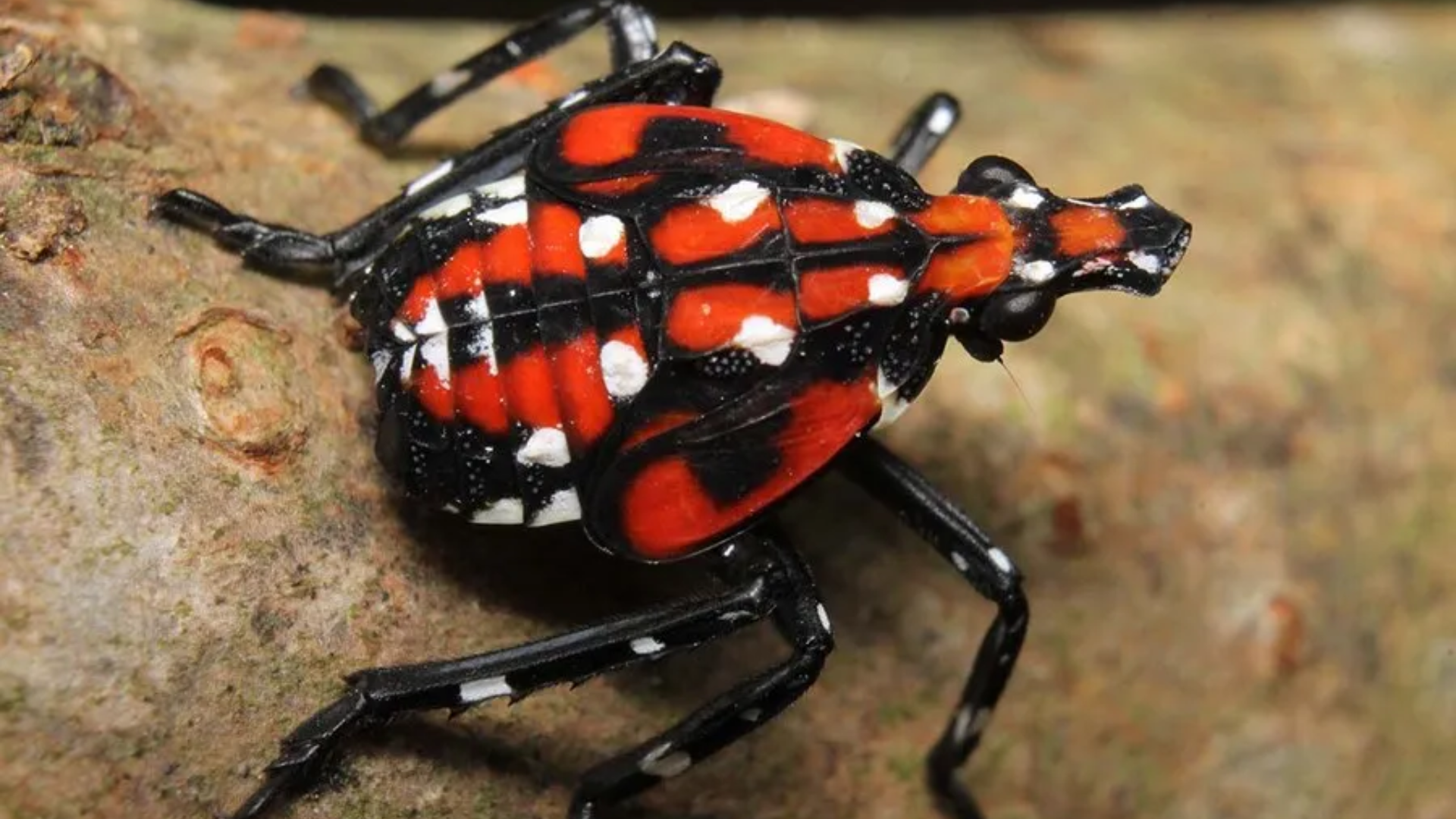
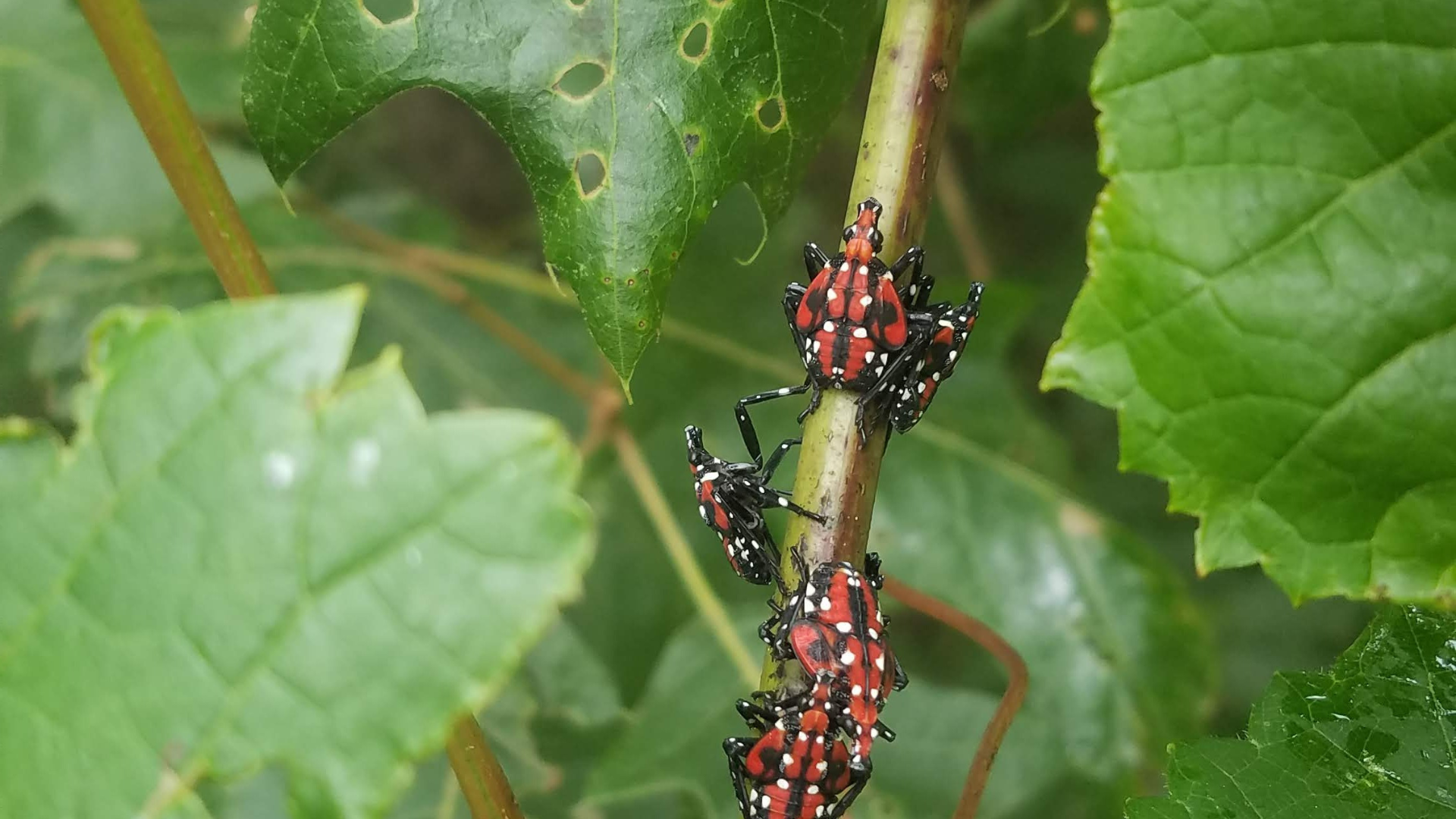
Nymph Stage – Red (July – Sept): Bright red with black and white spots — increasingly damaging.
-
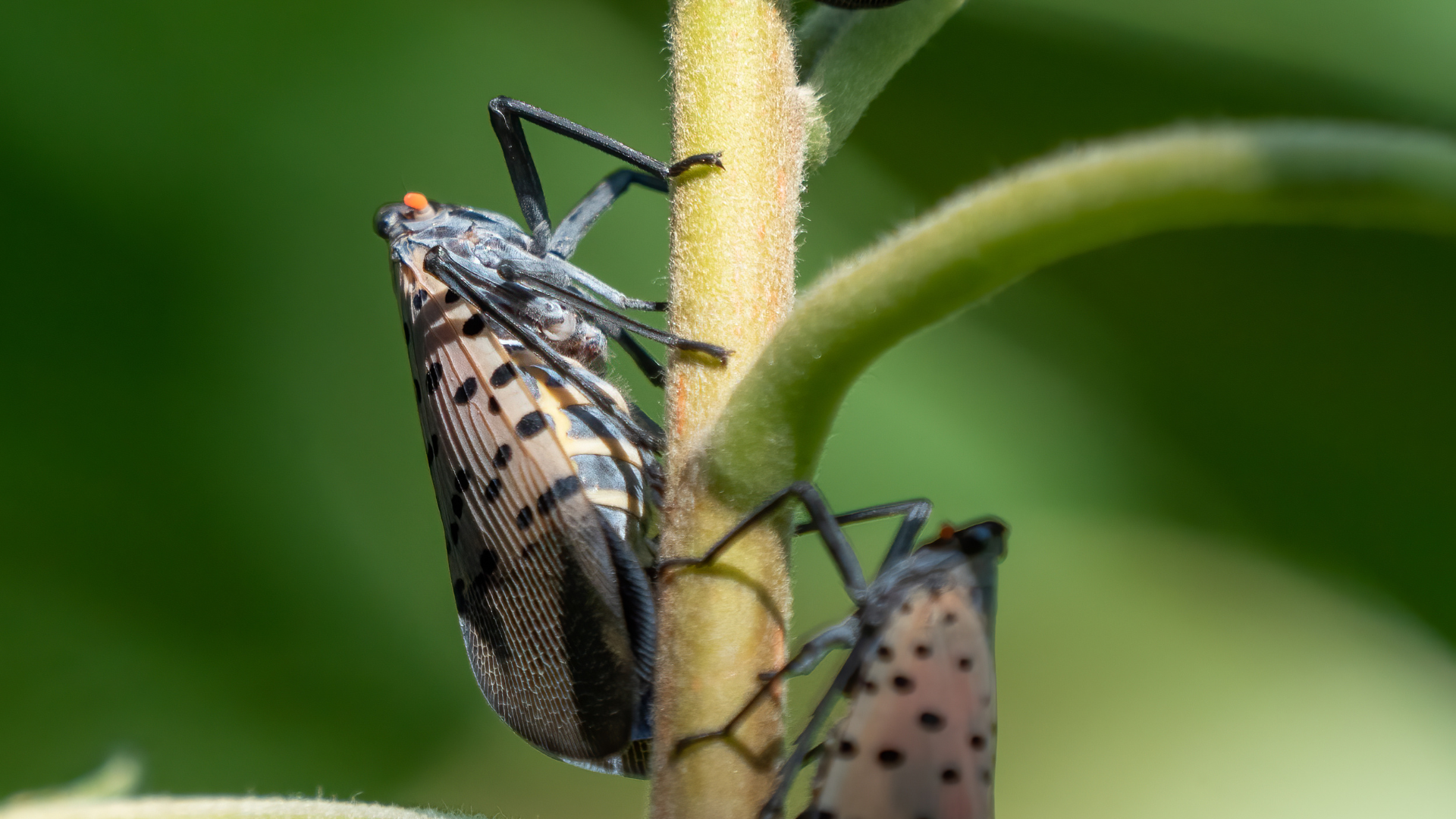
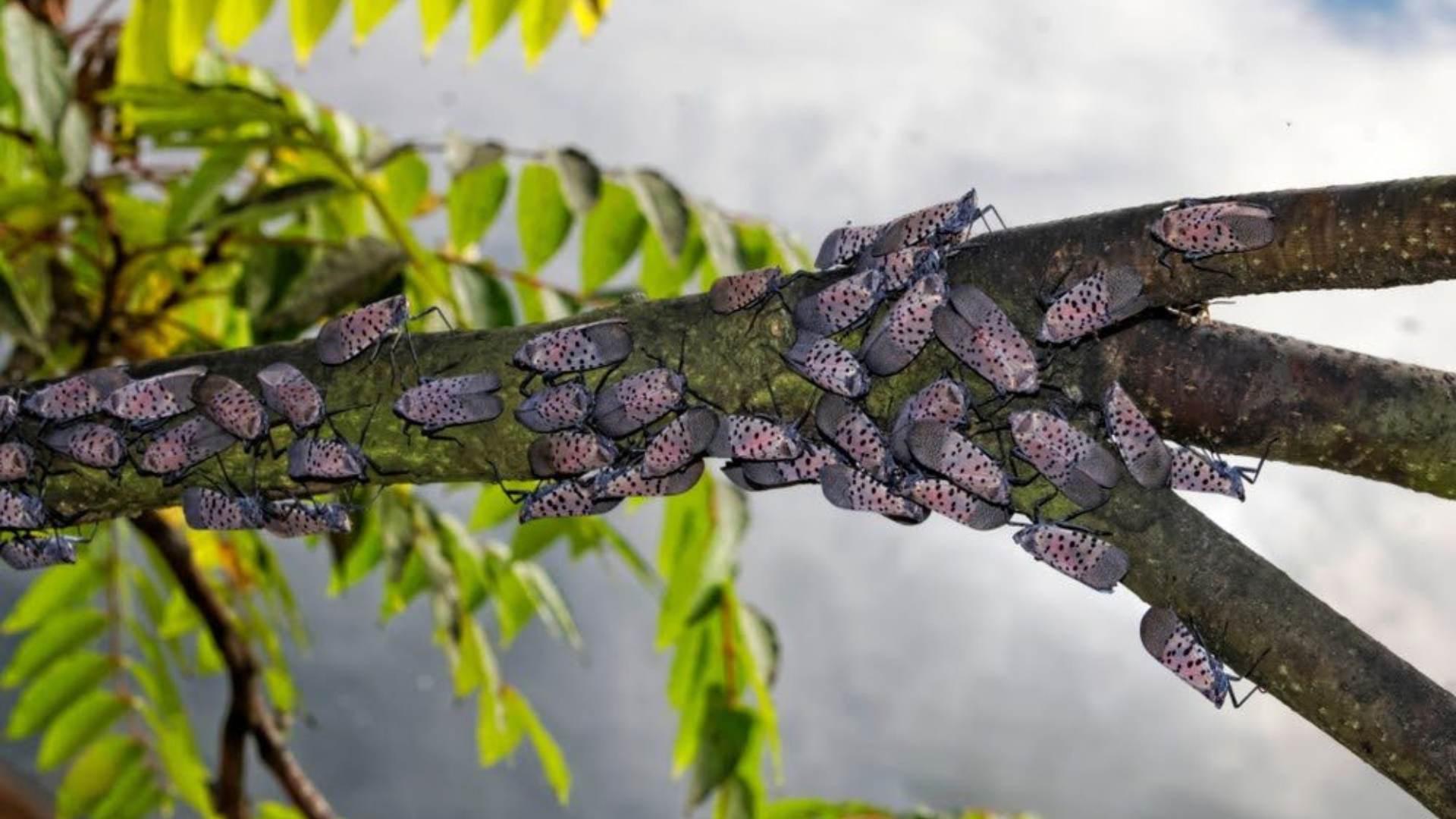
Adult Stage (July – Dec): Winged, spotted adults that swarm trees, decks, and structures.
Early detection and treatment at the nymph stage offers the best chance to prevent full-blown infestations.
Signs of Lanternfly Activity in Beach Haven, NJ
Watch for these common indicators around homes, parks, and businesses in Beach Haven and throughout Ocean County:
-
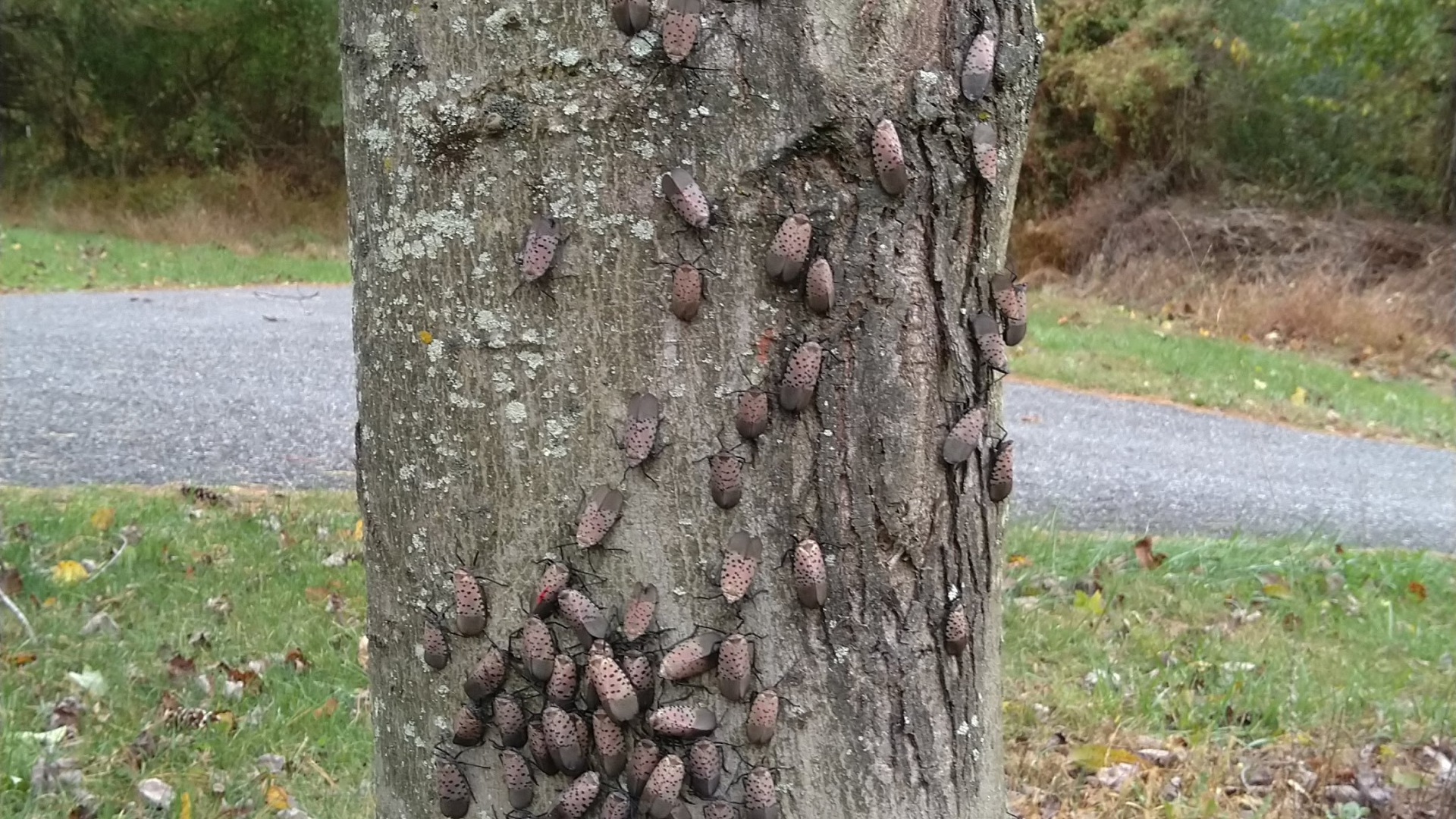
Swarms gathering on tree trunks, siding, fences, and patios across residential and commercial properties
-
Sticky residue (honeydew) on cars, decks, outdoor furniture, or plant leaves
-
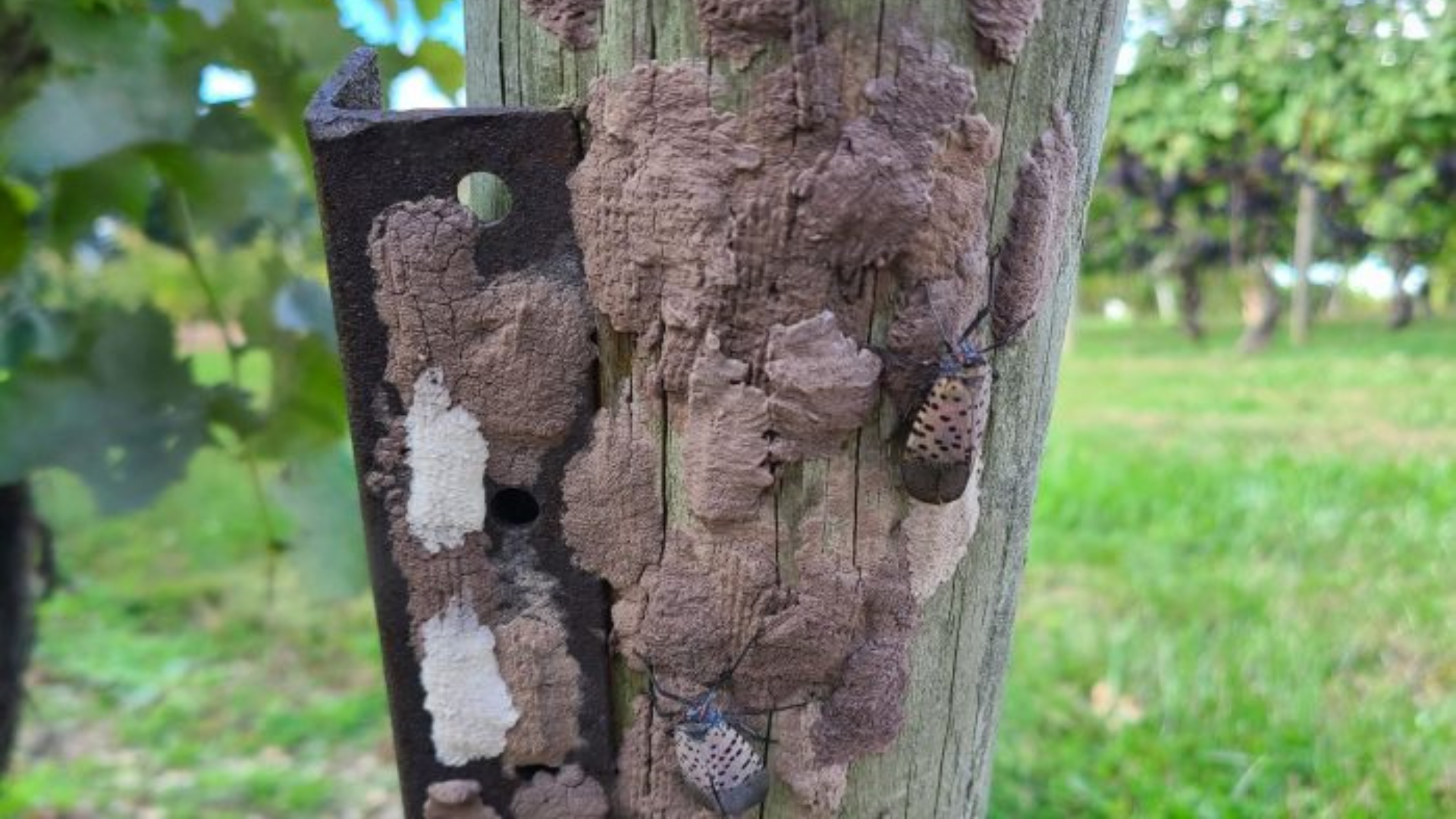
Egg masses that look like gray, putty-like smears on tree bark, railings, or playground equipment
-
Sooty mold buildup and increased ant or wasp activity around affected trees in Beach Haven neighborhoods and public spaces
Beach Haven Lanternfly Control & Prevention Tips
Stop infestations before they spread with these easy steps tailored for Beach Haven homeowners:
- Clear vines and ivy from tree trunks, especially on maples, oaks, and other common host trees across Beach Haven and Ocean County
- Scrape egg masses off trees, siding, and outdoor surfaces from late fall through winter to stop new generations from hatching
- Avoid moving infested firewood, gear, or outdoor décor between properties in Beach Haven and nearby Ocean County neighborhoods
Lantern Fly Infestation Statistics in Beach Haven, NJ
The spotted lanternfly isn’t just a nuisance—it’s a fast-spreading pest that directly threatens homes, parks, and natural spaces across Ocean County.
Rapid reproduction → big spring outbreaks.
Each spotted lanternfly egg mass holds ~50 nymphs that will emerge in the spring. This shows how even a few egg masses left untreated can produce large local populations. Without intervention, infestations explode—making lanternfly control services vital in keeping populations down before summer swarms in Beach Haven.
State action across NJ due to spread and risk.
In 2022, New Jersey set up a quarantine in 13 counties across the state to stop the spread of spotted lanternflies—evidence of a statewide concern warranting control efforts.
Most egg masses are high up—hard for DIY removal.
Research has shown that 80–90% of egg masses on trees are found 10 feet and above from the ground, reinforcing the need for trained crews/equipment to remove and manage them effectively.
Lanternfly control is not optional—they’re essential for preventing seasonal outbreaks, protecting property values, and keeping public spaces safe in Beach Haven, NJ.
Lantern Fly Treatment & Prevention Services for Beach Haven, NJ Homes & Yards
 Comprehensive Inspection: We locate egg masses on tree trunks, patio furniture, power poles, and even outdoor equipment across neighborhoods in Beach Haven and throughout Ocean County.
Egg-Mass Scraping & Destroying: From December to March we remove and destroy egg cases before they hatch—critical for properties near wooded lots, trails, and public spaces.
Targeted Systemic & Contact Sprays: We apply low-odor, bee-safe products to host trees and climbing surfaces, stopping nymphs and adults without harming beneficial insects.
Tree-Banding & Sticky Traps: For high-risk trees in residential yards, we add barrier bands that intercept nymphs as they crawl upward.
Education & Monitoring: Homeowners receive tips on identifying egg masses and reporting new sightings to the NJ Department of Agriculture—helping protect the wider Beach Haven and Ocean County community.
Protecting Homes in Beach Haven from Lantern Flies
From suburban neighborhoods to coastal towns, Bee-Gone Termite & Pest Control provides expert extermination and prevention services across Monmouth, Ocean, Middlesex, Union, and nearby counties.
Areas We Serve
- Middletown, NJ
- Middlesex County, NJ
- Monmouth County, NJ
- Ocean County, NJ
- Union County, NJ
- Lakewood, NJ
- Toms River, NJ
- Jackson, NJ
- Brick, NJ
- Manchester Township, NJ
- Barnegat, NJ
- Point Pleasant Beach, NJ
- Manahawkin, NJ
- Tuckerton, NJ
- Forked River, NJ
- Browns Mills, NJ
- Beachwood, NJ
- Waretown, NJ
- New Egypt, NJ
- Beach Haven, NJ
- Lanoka Harbor, NJ
- Cream Ridge, NJ
- Lavallette, NJ
- Pine Beach, NJ
- Seaside Heights, NJ
- West Creek, NJ
- Lakehurst, NJ
- Seaside Park, NJ
- Island Heights, NJ
- Ocean Gate, NJ
- Mantoloking, NJ
- Barnegat Light, NJ
- Normandy Beach, NJ
- Asbury Park, NJ
Watch: Lantern Fly Extermination in Action – Beach Haven, NJ
Lantern Flies Found in Beach Haven, NJ
FAQs About Lantern Fly Removal in Beach Haven, NJ
-
Dean is the best and very responsive. I highly recommend his work.
Joseph McNulty
Bee-Gone Pest Control is the best I have used for all different problems that arise. Being a landlord, there are so many pest issue that tenants bring into the property... read more
Jimi Bonaro
Dean and Peter were an absolute pleasure to work with. They are prompt, friendly, professional and fair priced! I absolutely highly recommend Bee-Gone!!! Thank you!!
Virginia Halas Graziano
We had a persistent wasp problem at our home, and from the first call, Dean was honest and transparent about the process, explaining exactly what needed to be done. His... read more
David K
-
Dante was very quick to respond. He is personable and professional explaining what he was doing as he worked. Bee Gone has always come through for me! Thank you.
Donna MacDonald
I'm a long time customer. Dean and Pete are prompt, very courteous, fairly priced, they take care of their customers.
Sharon Gralla
Responsive, Fast, Problem Solved!
Lella De Fino
This is the only pest control company you should call. Dean is an absolute lifesaver for sending his team on a weekend when I live over an hour away. Dante... read more
Lili J.
-
This is my second time using Bee-Gone - A very professional outfit - my technician, Dante, fully explained the process to eradicate the bees (yellow jackets), and treated both the... read more
Therese Michaels
Great company to work with Dean is very dedicated to help his clients I use him for all my pest control issues
Alex Mezzo
Nicest, most professional business I have ever dealt with. The owner actually takes calls while he is on vacation!! The associates who have been at my house have all explained to me... read more
Annie Dell
Dean and Dante are first class. Had an issue with bees and wasps fixed in a day came promptly and took care of my entire property they are my choice... read more
gerard villa
-
We had a call back situation where hornets re-nested. Dean went out of his way to get over to our house less than a day later to eradicate the nests.... read more
Ken Shatzer
Pete came out very quickly and handled our bee problem. He was very thorough in explaining everything and walking us through what was happening. Hopefully won't have to use them... read more
Dan Neylan
Great explanation and assessment of work. Very personal and patient. Worked around my schedule and delivered a great experience. Highly recommend
Chase Helwig
Very responsive and knowledgable. I called for one area to be treated and while Peter waited for me to get home to let him in the house, he found... read more
Suzanne Quigley
Schedule Effective Lantern Fly Control in Beach Haven, NJ Today
Lantern flies are more than a nuisance—they’re a growing threat to trees, gardens, and outdoor spaces across Beach Haven and Ocean County. We offer targeted treatments that reduce infestation and protect your landscape without harming beneficial insects.